

-
Tags
Argon 18, Maloja, pro cycling, Pushbikers, Radsport, Triathlon
"Triathlon has been a part of my life for as long as I can remember."
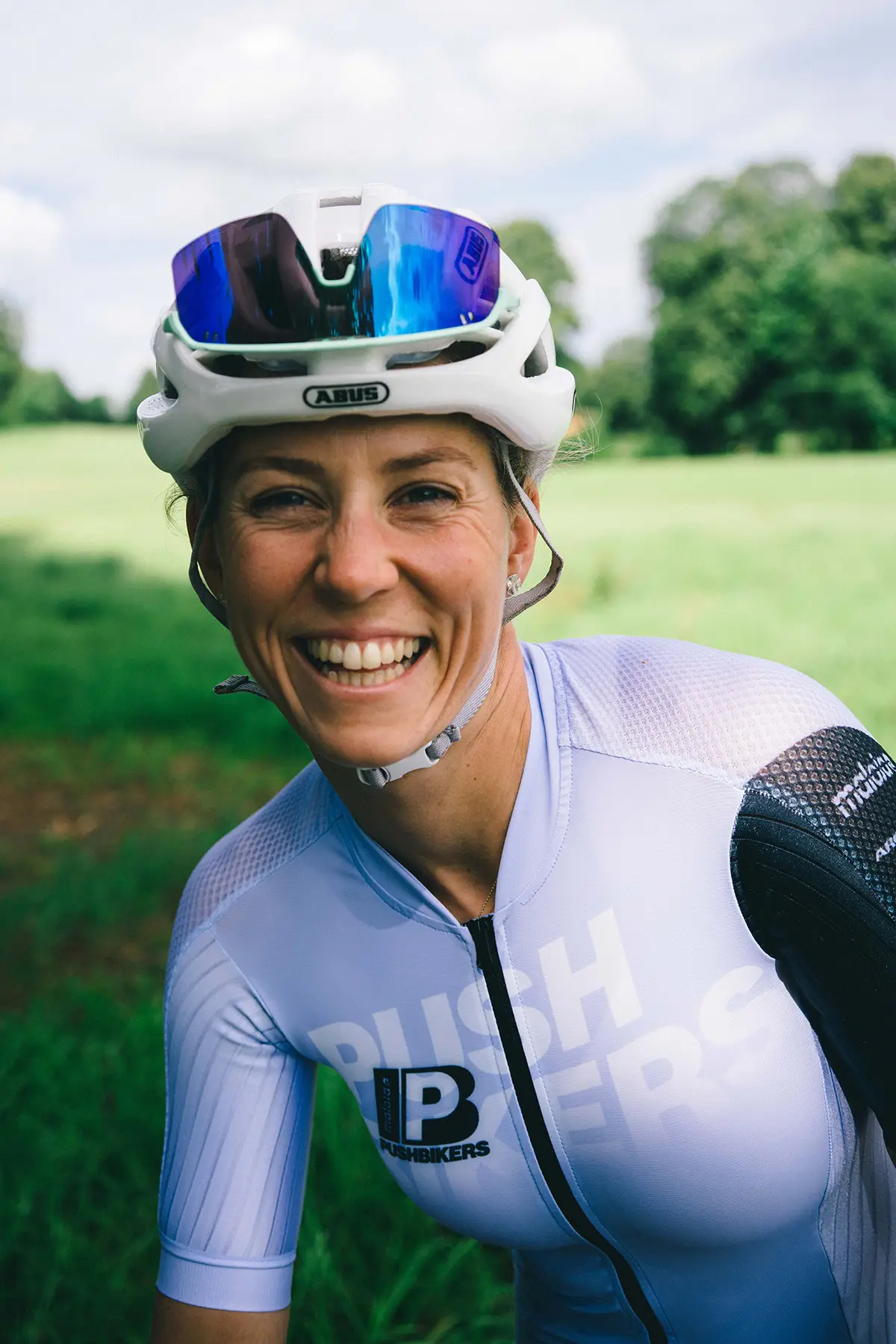
Johanna Ahrens has been a professional triathlete in the middle and long distances for four years. After we got to know her at an event in early 2024, Johanna regularly spent time with the community and it quickly became clear that we could benefit from each other's experience and expertise. Johanna has been part of our Elite Racing Team since this year. She brings a breath of fresh air to our racing history. With her, we are competing in a new discipline: triathlon.
Q& A WITH JOHANNA.

What exactly is the fascination of triathlon for you and how does triathlon shape your life?
I took part in my first triathlon at the age of 7 and have been hooked on the sport ever since. What particularly fascinates me about it is that triathlon is so varied and diverse. Not only the competition itself, but also the training consists of three different sports, which all have different attractions for me. I learned to swim very early on and therefore feel very comfortable in the water, which is a rarity for triathletes. But I also really enjoy running, which wasn’t my favorite discipline in the past. I simply enjoy exercising in the fresh air and like to push myself to my limits.

Cycling is our passion, so naturally the question is: how important is the part on the bike for you in triathlon?
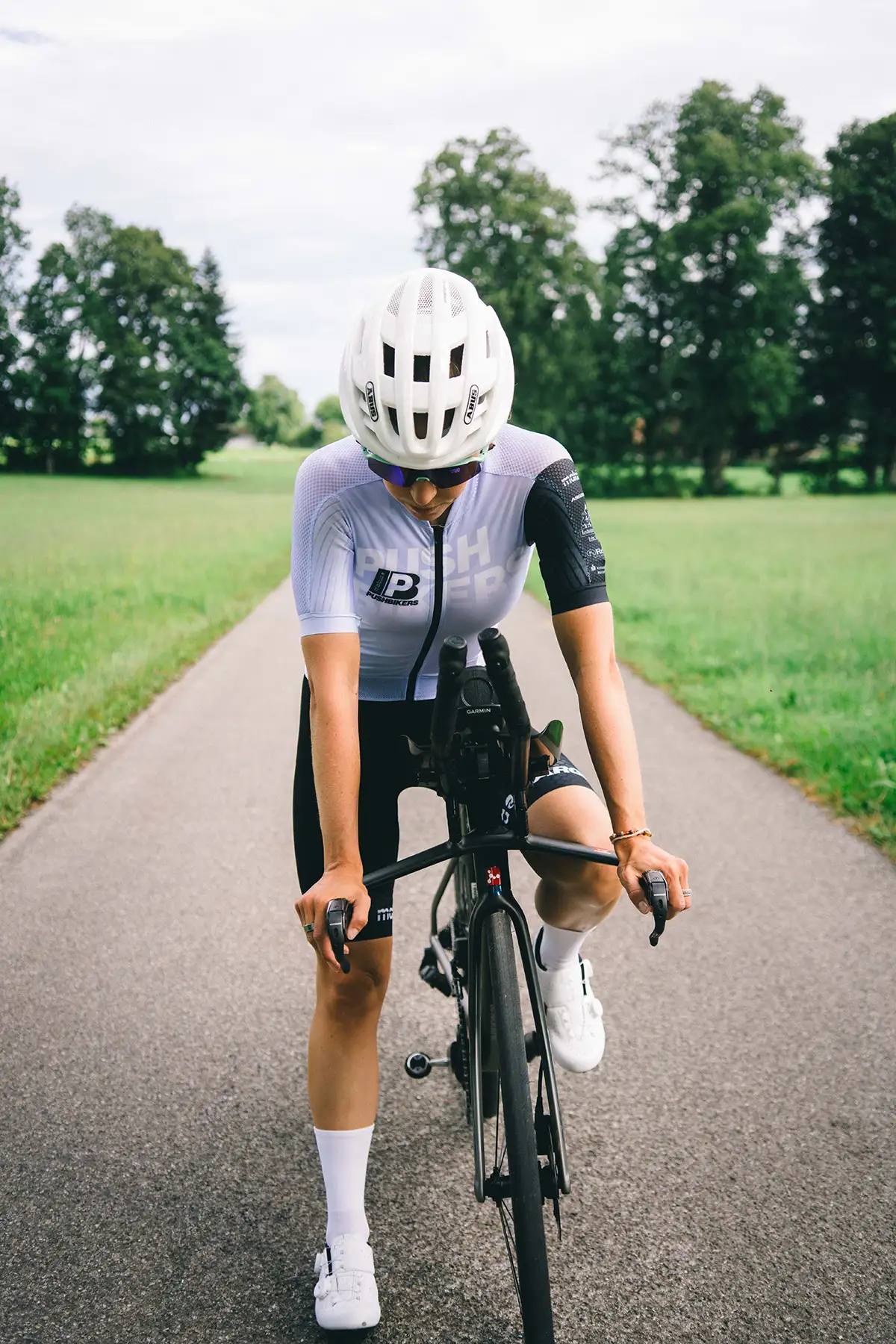
In the past, when we started in races where slipstreaming was not allowed, the focus was always on swimming and running, as the individual performances had more influence on the race. As I now compete almost exclusively in races where slipstreaming is not allowed, the importance of the second discipline has also changed. Cycling is also the longest part of the race in terms of time – in a long-distance race of 180 km. Cycling is therefore a decisive factor in the race, with everything that goes with it: equipment, aerodynamics, comfortable riding position, etc. Fortunately, I like to sit on my bike for long periods and feel very, very comfortable.
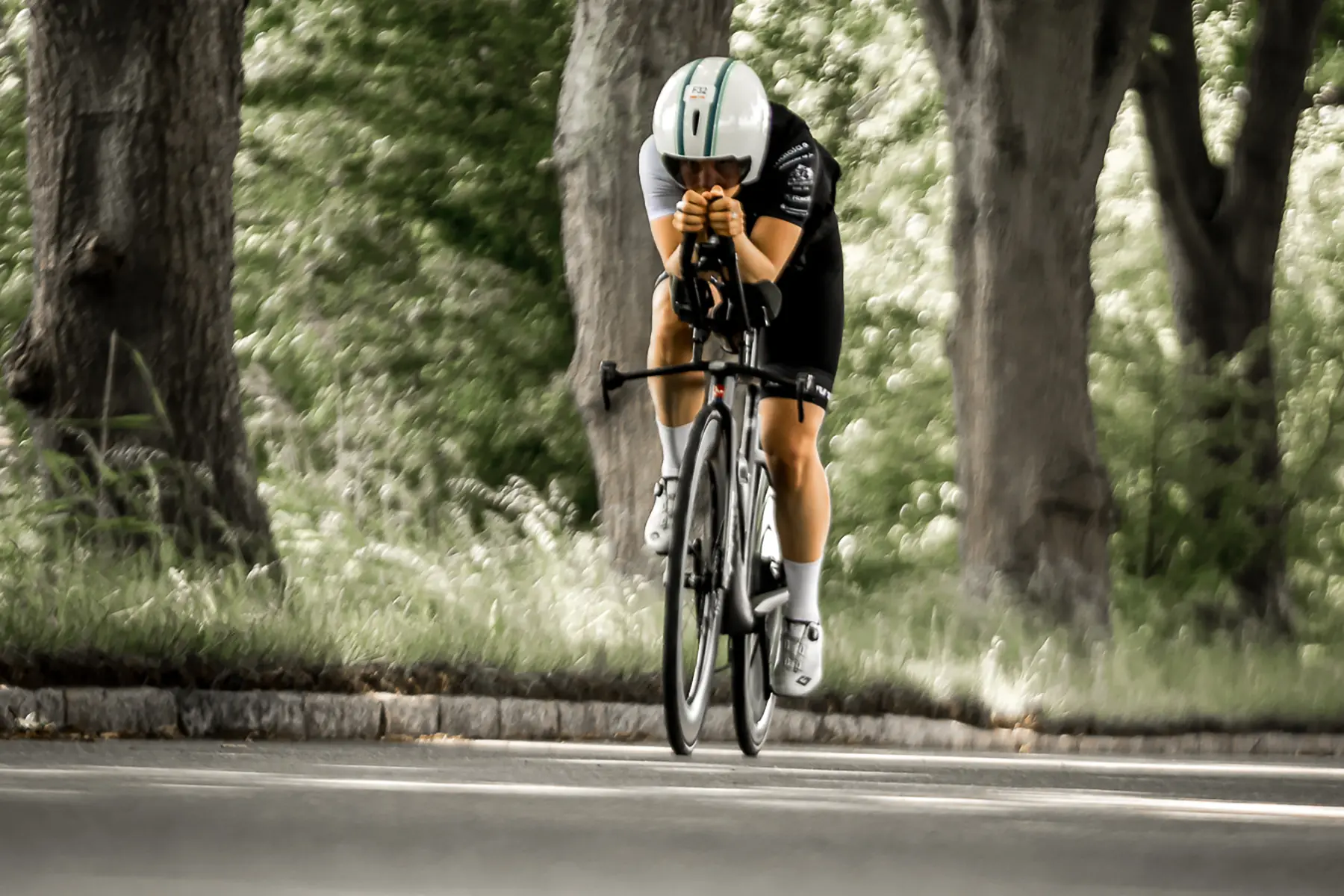
Aero, Aero, Aero
Aerodynamics is a big buzzword for cycling in triathlon. We’ve actually worked together a lot over the past few months to make you even stronger on the bike. How would you summarize that?
Basically, it is simply explained. The most expensive bike with the best parts won’t do you any good if you don’t sit well on the bike and can’t take advantage of the benefits. Aerodynamics in itself is generally a difficult subject, however, as it affects everyone a little differently. It depends on your height, mobility and the resulting riding position, as well as many other factors. In the end, it is very individual, but the more you deal with it, the better the feeling for which setup suits you better. Together with the Pushbikers, we did aero tests and tinkered with the cockpit for my time trial bike in particular. You simply can’t avoid taking the wattage that you can save through good aerodynamics seriously, because it’s very difficult to achieve this through training.


How do you motivate yourself before the race?
Fortunately, I’ve rarely had any motivation problems, but it’s really important to focus on the race and to know the course. I usually go over parts of the course in my head again before the start and especially the changes. These have to be right, otherwise you can really lose a lot of time.
What highlights do you still have to look forward to this season and how is the “off-season” and preparation for the coming year going for you?
Another highlight of the season is coming up for me next Saturday. On 16.8. I will be competing in the IRONMAN Kalmar in Sweden. After that, I will probably compete in two or three middle distances. Then in the fall it’s offseason for me. That’s usually 3-4 weeks a year where I train for a few hours a week as the mood takes me and I also like to do alternative sports for a change. Training for 2026 usually starts again in mid-November.
For now, however, I’m concentrating on the second half of the season and am already looking forward to the upcoming races and adventures.
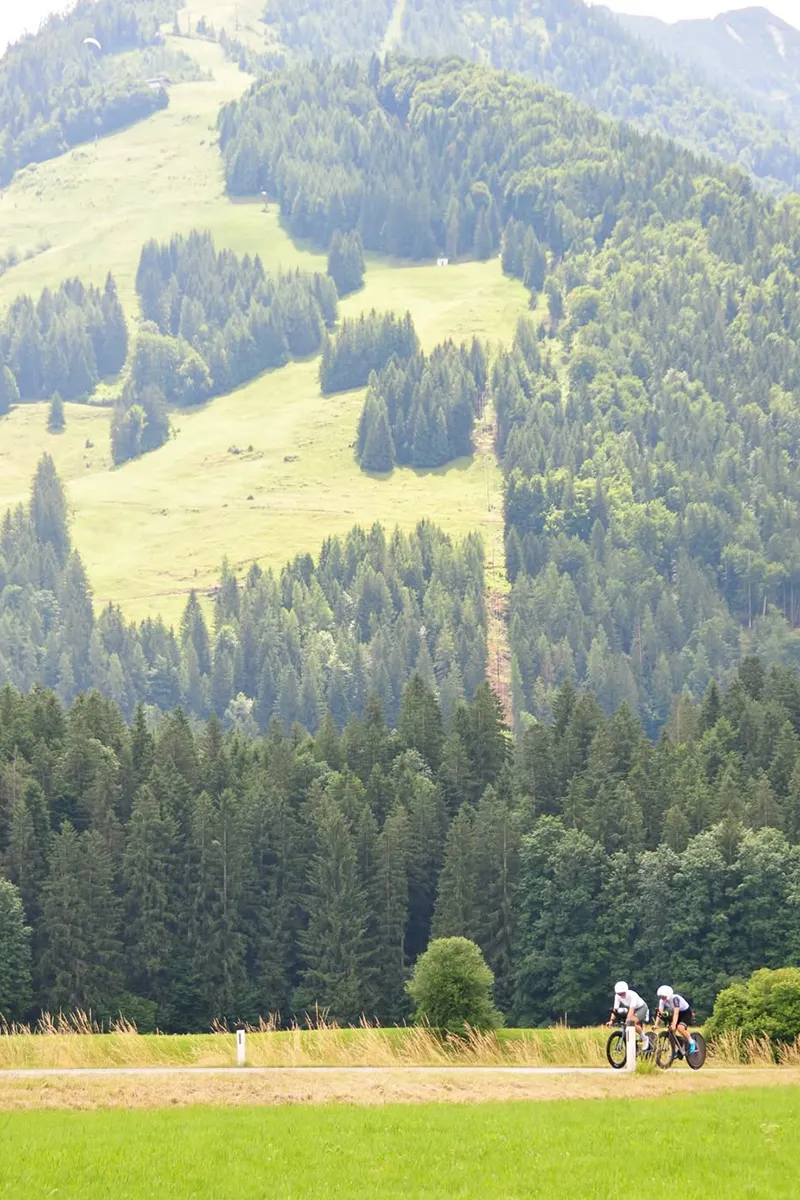
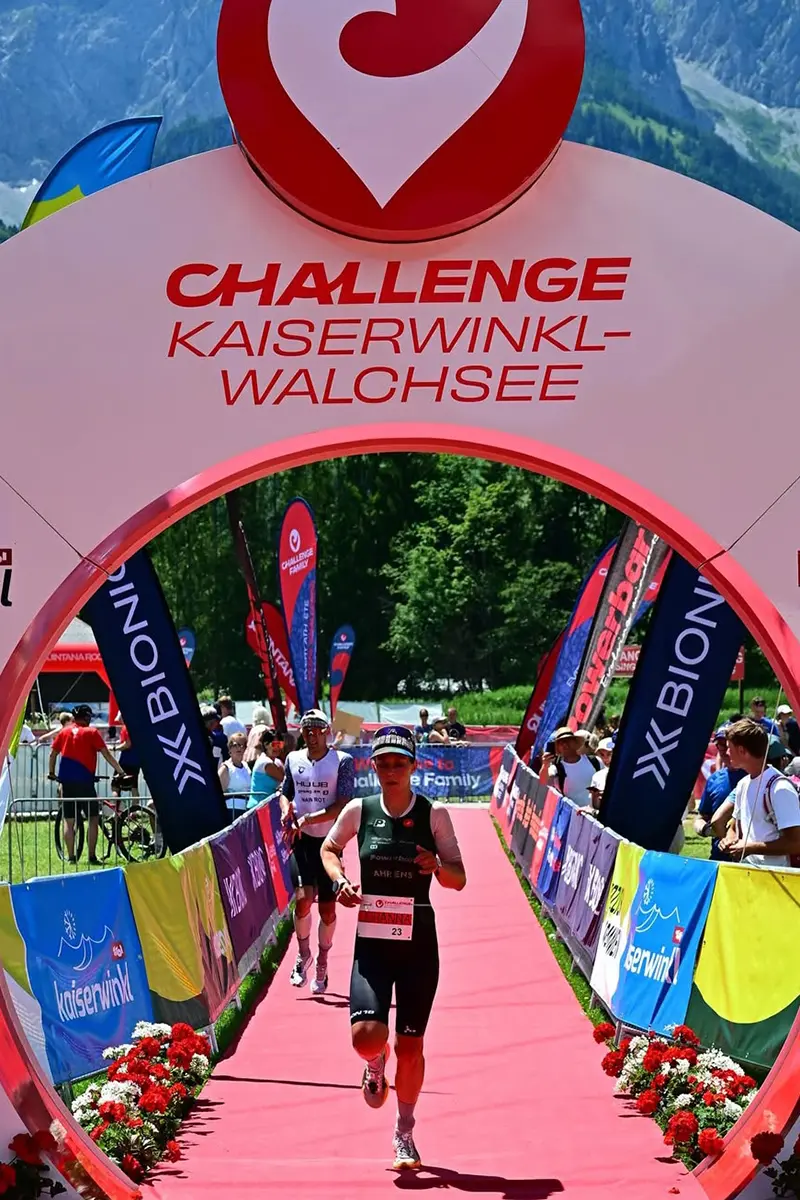

The perfect Trio
Athlete: Johanna Ahrens
Bike: Argon 18 E118 Tri+
Kit: our specially developed Pushbikers racing outfit
The E118 Tri+ is a real time trial bike – designed to squeeze out every second. Special geometry, integrated cockpit solutions and optimized frame shapes reduce air resistance. Built in our Pushbikers workshop and available in our store in Waakirchen.
Our racing suit was developed by Maloja with a focus on aerodynamics, breathability and comfort. Smooth fabric panels in the front and arm areas allow the wind to flow past with almost no resistance, while the close-fitting shape minimizes turbulence.


Credits
Photo
— Paul Bohnert
— The creative work
Photo
— Sebastian Roth
— Riders